Where did you go for your fellowship?
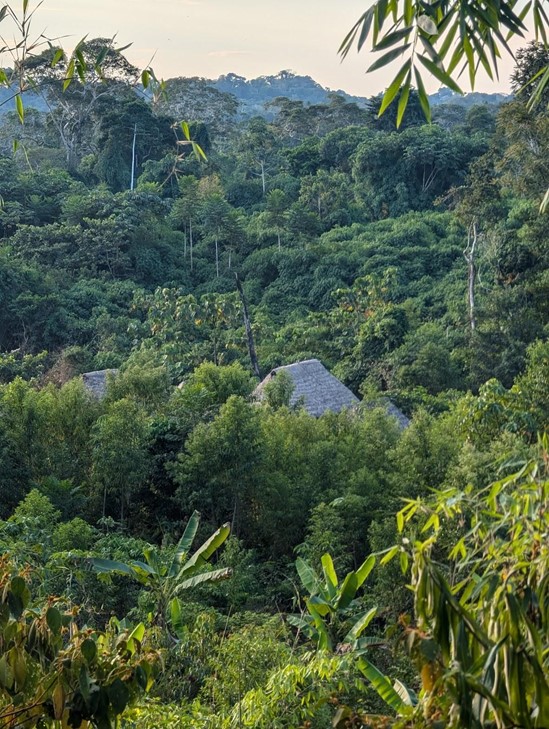
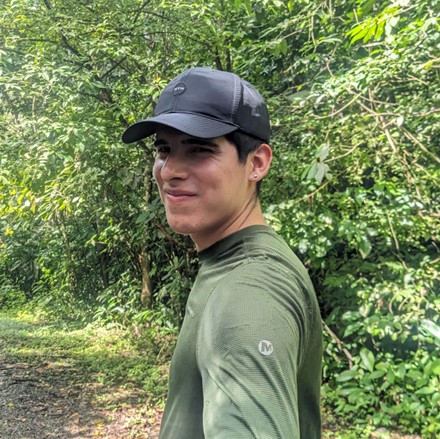
I went to Manu National Park in the Peruvian Amazon
Why did you choose this location?
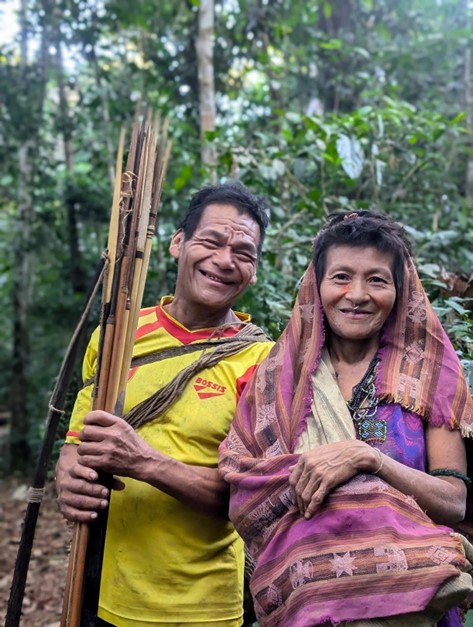
Manu is one of the largest and most iconic protected areas in the Amazon rainforest. It’s also home to the Indigenous Matsigenka people, who practice subsistence hunting in these forests.
What problem were you investigating?
My thesis addresses a long-standing debate in the Peruvian Amazon: are the Matsigenka’s hunting activities threatening large-primate conservation in Manu National Park? I focused on two research questions: (1) How have the encounter rates of primates in hunted and non-hunted areas of Manu National Park changed over the last two decades? (2) How have hunting effort and prey profiles changed over the past two decades among the Matsigenka?
Why does this question matter to you, and to the people you work with?
In the past, some conservationists argued that the Matsigenka should be relocated outside the park boundaries, warning that “animals will become scarcer and Manu will lose its wilderness status.” However, the last major studies on hunting activities in Manu were conducted twenty years ago.
My thesis aims to revisit this issue by providing up-to-date information on game species encounter rates and wild meat consumption, data that can help guide negotiations and support co-constructed solutions.
What are the critical challenges facing your research site and the communities that are involved?
Manu is unique because Indigenous people live inside its core area. This reflects the long human history of the Amazon, but it also creates challenges—especially when conservation policies and community needs don’t fully align. When people don’t see tangible benefits from conservation, the costs of restrictions can feel too high, and that sentiment is beginning to grow in and around Manu National Park.
Why do you love it?
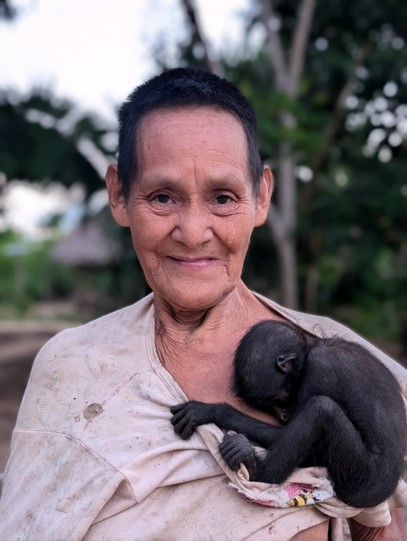
Because even the journey to get there is an adventure. You start in the historic city of Cusco, take a bus that climbs into the Andes, then descend through the cloud forest until you reach the floodplain—a full biogeography class from the passenger seat! After that, you travel by boat for an entire day to reach the core area of Manu National Park, home to the historic Cocha Cashu Biological Station. Once there, you find a paradise of biodiversity, “the Disney of biologists,” as I once heard it called. And if you’re curious enough to travel further upriver in a roofless “peque-peque” (the local name for their riverboats powered by a small outboard engine), you can meet and learn from the Matsigenka people themselves.
What do you think is needed to understand or improve the situation?
In Manu—and in any forest where people live—we need a small but important shift in how research begins. Instead of researchers alone defining the questions, we should co-create them with the people who live there. By asking communities what their research priorities are, we bring in new perspectives and make research more relevant, inclusive, and sustainable in the long term. Next time you visit a community, try asking: What questions do you have about these forests?
What challenges did you experience in your research?
For my master’s thesis, I partnered with a local NGO that has been collecting data over the past decade. One of the hardest moments was when a community decided not to allow data collection. They explained that they hadn’t seen any real benefits from participating in past studies and wanted higher compensation to serve as biodiversity monitors. The local NGO decided to drop that research site, but this experience underscored the importance of aligning research priorities with those of the communities themselves.
How do you think your research may be used?
The community with the largest population is already showing early signs of spider monkey decline—reflected in both increased hunting effort and changes in prey profiles—while the other two communities still appear to have similar primate abundance as in the past. This early warning could prompt Manu National Park authorities to expand monitoring to other game species and examine potential overhunting impacts on community food security, particularly as climate change intensifies—concerns that Matsigenka leaders and elders have voiced during my conversations with them. This presents an opportunity to develop community-based research that can help inform policies and interventions to enhance both biodiversity conservation and food security.